First, read this post on Notes From The Chalkboard by Justin Parmenter entitled “For-profit charter school operators grease NC politicians’ palms to ensure they get a piece of the pie.”
Parmenter elegantly shows how the use of political contributions to those in power who can make decisions are having drastic effects on the health of public schools in North Carolina.
It is perfectly lawful to donate to a political campaign, and with the Citizens United case decision from the Supreme Court a few years back, it is now lawful for corporations to donate money through political action committees (PACs) and Super PACs.
However, while it is lawful, it doesn’t mean that some interesting ethical questions occur.
Especially when well over two-thirds of the campaign contributions reported for the second quarter for Catherine Truitt’s 2020 campaign came from donors whose actions and interests run totally antithetical of supporting public schools.
Two donors represented an out-of-state for profit charter school chain.
That is shown again in much more detail by Justin’s post concerning this next election cycle.
Remember when Betsy DeVos became the only cabinet member in a recent administration who had to have a confirmation hearing decided by a tie-breaking vote from the new Vice-president in 2017?
Just look at what she said before becoming a disastrous cabinet member 20 years earlier.
“My family is the biggest contributor of soft money to the Republican National Committee. I have decided to stop taking offense at the suggestion that we are buying influence. Now I simply concede the point. They are right. We do expect something in return. We expect to foster a conservative governing philosophy consisting of limited government and respect for traditional American virtues. We expect a return on our investment.” – Betsy DeVos, 1997
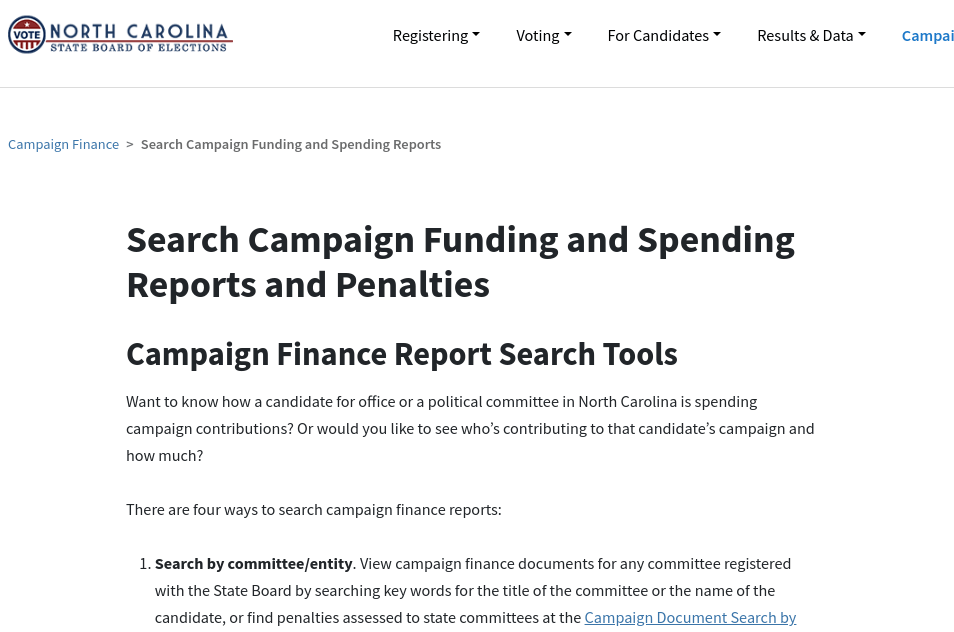
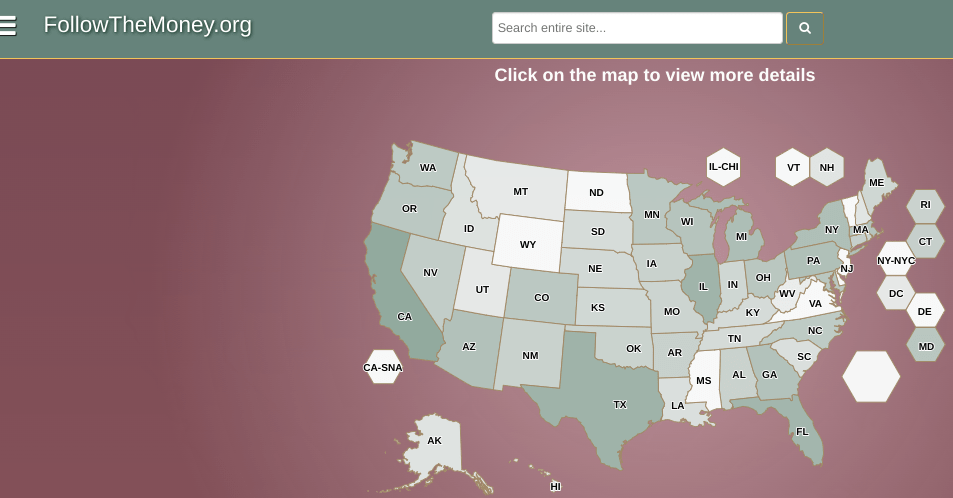
Follow the damn money. Maybe use these tools to find out who is buying influence.
 caffeinated rage